29 August 2026 / 6 min read
How diesel prices effects product prices
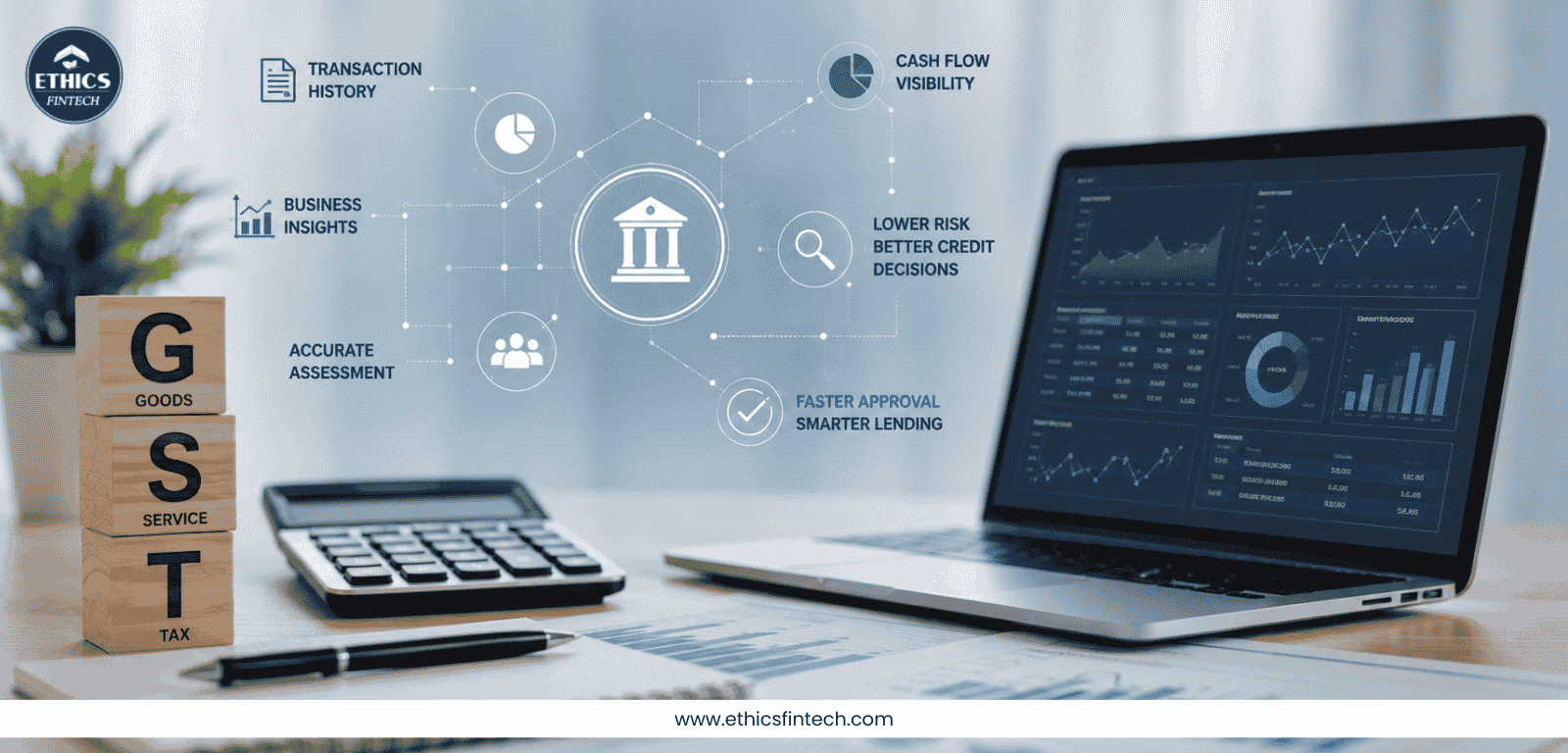
The digital transformation of India’s financial ecosystem has changed the way businesses interact with financial institutions. One of the important developments in this transformation is the use of digital business data to support lending decisions.
For MSMEs, GST-related information can provide valuable insights into business activity and transaction patterns, helping create a more data-driven approach to credit assessment.
Understanding the Role of GST Data
GST records can provide structured information about a business's reported transactions. When used appropriately and with the necessary consent and safeguards, such information can contribute to a better understanding of a business's financial activity.
This can be particularly relevant for MSMEs seeking working capital or other forms of business finance.
From Traditional Documentation to Digital Data
Traditional lending processes have historically relied heavily on physical documents and manually submitted financial information
Digital ecosystems are helping reduce this dependence by enabling information to be collected, verified and processed electronically.
This can help create a lending journey that is:
- More streamlined
- More data-driven
- Easier to track
- Less dependent on physical documentation
- More convenient for businesses
Supporting Better Credit Assessment
A data-driven lending approach does not eliminate the need for proper credit evaluation. Instead, it can provide lenders with additional information that may support their assessment of a business.
Combining GST-related information with other relevant financial and business data can help create a broader picture of the borrower's business activity.
The Road Ahead
As India's digital financial infrastructure continues to evolve, the integration of technology, data and financial services is expected to play an increasingly important role in MSME lending.
The objective is not simply to digitize existing processes but to build lending journeys that are more efficient, transparent and accessible for businesses.
With responsible use of data and appropriate consent and compliance mechanisms, digital ecosystems can contribute significantly to the future of business lending in India.