01 October 2026 / 8 min read
Digital Lending in India: RBI Regulations, NBFC Trends & Importance of Better Customer Onboarding
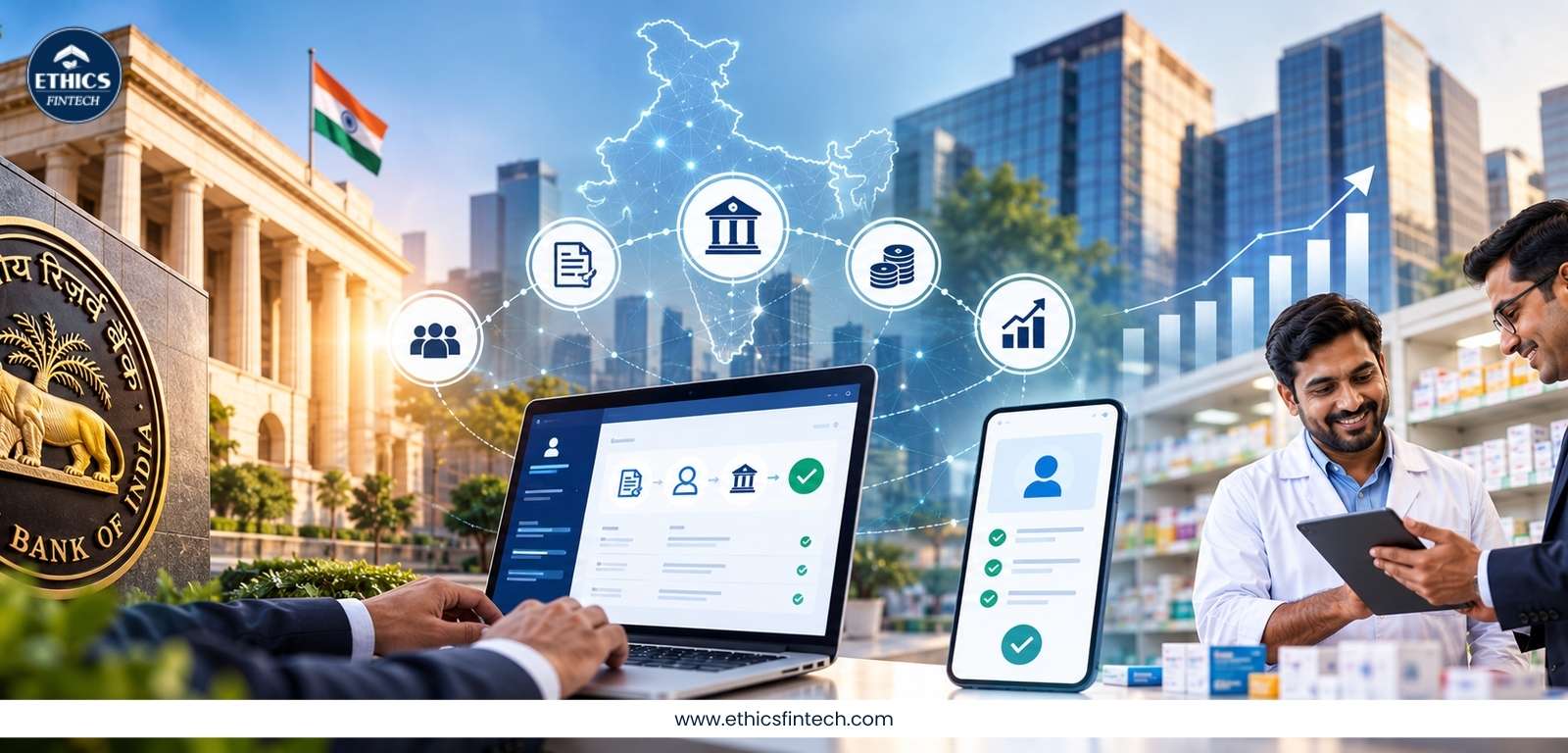
Digital lending is changing the way businesses and individuals access credit in India. Technology has made it possible to complete applications, verify information, assess creditworthiness and manage loan journeys with greater speed and convenience. But as digital lending continues to grow, transparency, responsible data use, regulatory compliance and customer experience are becoming equally important.
For fintech businesses, this means that a successful lending journey is no longer determined only by how quickly a loan can be processed. The quality of the overall experience—from onboarding and KYC to disclosure, assessment and servicing—matters just as much.
Recent developments in India's digital lending and financial regulatory environment highlight this shift. The Reserve Bank of India (RBI) has consolidated important digital-lending requirements and continues to evolve its regulatory framework around transparency, customer protection, data practices and responsible lending.
What RBI's Digital Lending Framework Means in Day-to-Day Operations
The RBI's Digital Lending Directions, 2025 brought together earlier instructions relating to digital lending and introduced additional measures, including requirements around Lending Service Providers and a public directory of Digital Lending Apps.
For borrowers, these regulations translate into practical aspects of the lending experience.
One important area is transparency. Borrowers should receive clear information about the loan before entering into the agreement. The Key Facts Statement (KFS), for example, is designed to provide essential information about the loan, including relevant costs and terms, in a standardised manner.
The framework also places importance on how funds move between the lender and borrower. Digital lending arrangements should not create unnecessary third-party layers in the disbursal and repayment process.
Another important consideration is customer data. Digital lending depends on information, but responsible lending requires organisations to clearly consider what data is collected, why it is required, how it is used and who can access it.
The RBI has also operationalised a public directory of Digital Lending Apps to help customers verify the claimed association of an app with a regulated entity.
Together, these measures reinforce an important principle: technology should make lending simpler and more accessible without compromising transparency, customer protection or responsible financial practices.
The Evolving Regulatory Environment for NBFCs
The regulatory environment for NBFCs is also continuing to evolve. In August 2026, the RBI released draft Interest Rates on Loans and Advances Directions, 2026 for public comments, proposing a harmonised, principles-based framework for interest-rate determination across regulated entities.
The proposal also indicates that external benchmark-linked lending would remain optional for certain NBFC categories, while introducing broader principles around loan pricing and interest-rate determination.
Because these are proposed directions, the final framework may differ from the draft. For NBFCs and fintech businesses, however, developments such as these demonstrate the importance of continuously reviewing product structures, pricing processes and customer communication.
The broader direction is toward greater transparency and consistency in how lending products are designed and communicated. This makes it important for financial businesses to ensure that their technology and operational processes can adapt as regulatory requirements develop.
Why Customer Onboarding Can Determine the Quality of Digital Lending
Regulation is only one part of the lending journey. Another critical factor is customer onboarding.
It is easy to think that the most important stage of lending is underwriting or the final credit decision. In reality, the customer experience begins much earlier.
A borrower may encounter several steps before reaching the credit-assessment stage: application forms, data entry, KYC verification, document submission, consent, validation and eligibility checks.
Small inefficiencies at this stage can have a significant impact.
For example, repeatedly asking a customer to enter the same information, running verification checks in an inefficient sequence or creating unnecessary delays in KYC can increase friction and lead to incomplete applications.
A well-designed onboarding journey should therefore balance speed, accuracy and compliance.
The objective is not simply to reduce the number of steps. Instead, each step should have a clear purpose and contribute to an efficient and transparent lending experience.
Building a Better Digital Lending Journey
Technology can help financial businesses improve onboarding and lending operations by connecting different stages of the process.
A streamlined journey can broadly follow:
Application → KYC & Verification → Credit Assessment → Approval → Disbursement → Repayment
When these stages are connected effectively, businesses can reduce unnecessary manual intervention, improve data quality and provide customers with clearer communication throughout the process.
For fintech companies, this also creates an opportunity to build compliance directly into the technology architecture rather than treating it as a separate activity.
This can include stronger data controls, consistent documentation, automated verification, clear disclosures, audit trails and better customer communication.
The Ethics Fintech Perspective
At Ethics Fintech, technology-enabled financial solutions are built around transparency, compliance and operational efficiency. The company focuses on simplifying access to financial solutions for businesses and facilitates working-capital and term-loan products through partnerships with regulated financial institutions.
Its broader approach combines technology with a customer-first philosophy, with the objective of making credit more accessible, efficient and reliable for India's MSME ecosystem.
This approach reflects an important reality of modern lending: a good digital lending experience is not created by technology alone. It requires the right combination of technology, responsible processes, regulatory awareness and customer-centric design.
Conclusion
India's digital lending ecosystem is entering a phase where speed and convenience must go hand in hand with transparency, compliance and responsible customer experience.
Regulatory developments affecting digital lending and NBFCs demonstrate the importance of keeping lending products, technology platforms and operational processes aligned with evolving requirements.
At the same time, improving the customer journey begins much earlier than the final credit decision. Effective onboarding, efficient KYC, accurate data and clear communication can make the lending process easier for both customers and financial businesses.
For fintech companies, the opportunity is to use technology not merely to make lending faster, but to make it simpler, more transparent, more efficient and more reliable.
That is the direction in which India's digital lending ecosystem is evolving—and it is also where technology-driven fintech platforms can create meaningful value for businesses and entrepreneurs.
Explore technology-enabled financial solutions with Ethics Fintech and discover a smarter approach to business financing.